
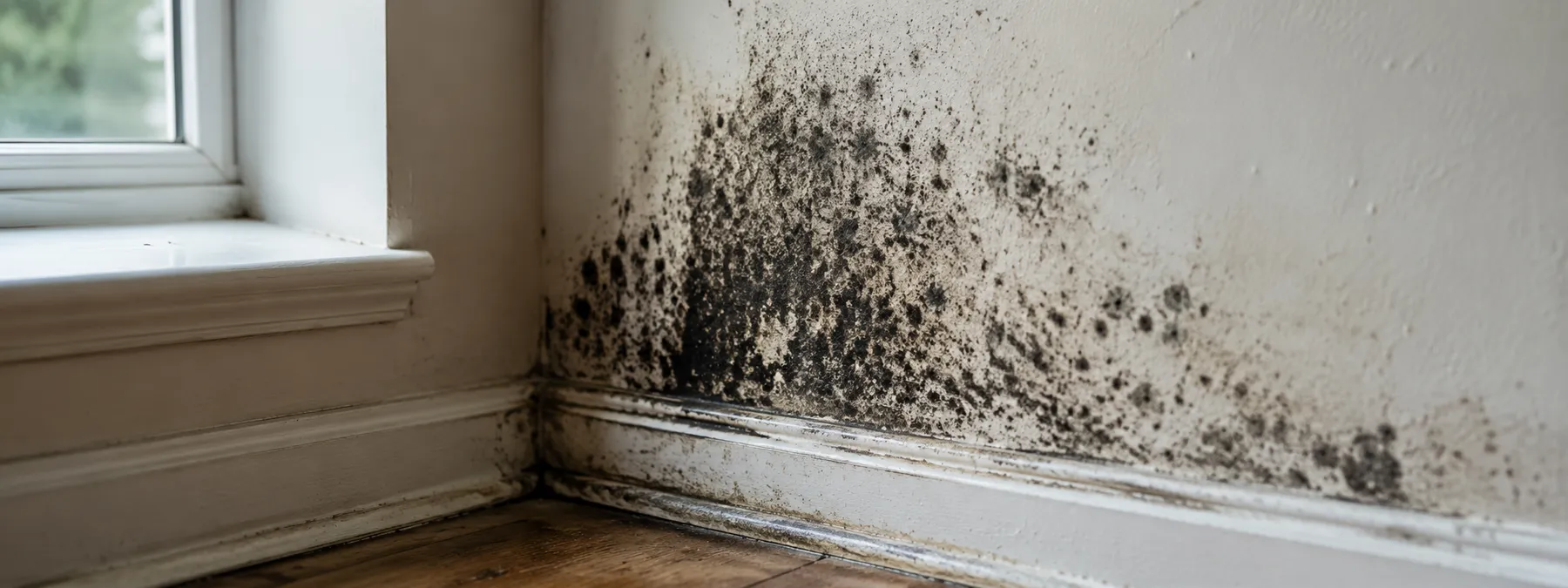
"Black mold" usually refers to Stachybotrys chartarum, a greenish-black mold that grows on damp, cellulose-rich materials like drywall and wood. It earned its scary reputation in the 1990s, but the science is more nuanced than the headlines.
Here's the honest version: most healthy adults exposed to small amounts of household mold won't suffer serious harm. But mold is not nothing. For some people, and in some quantities, it genuinely matters. The goal of this guide is to help you tell the difference, without the fear-mongering you'll find on a lot of restoration websites.
What black mold can actually do
The most reliable evidence links indoor mold exposure to respiratory effects, especially for sensitive groups. Commonly reported symptoms include:
- Nasal congestion, sneezing and a runny or itchy nose
- Coughing, wheezing and throat irritation
- Watery or irritated eyes and skin
- Worsening symptoms for people with asthma or allergies
People at higher risk, infants, the elderly, those with asthma, allergies, or weakened immune systems, can react more strongly. The dramatic claims you may have heard, like mold causing memory loss or "toxic mold syndrome," are not well supported by current research.
The right question isn't "is mold toxic?", it's "how much mold, where, and who's breathing it?"
Why Florida makes mold worse
Mold needs three things: moisture, a food source and time. South Florida supplies the first one almost year-round. With average humidity above 70%, frequent storms and water intrusion, a small leak that might dry out on its own up north can become a visible colony here in 24 to 48 hours.
That's why mold is so often the second disaster, the one that follows untreated water damage. If your home flooded and wasn't dried to standard, mold is the likely sequel.
If the mold covers more than about 10 sq ft, keeps coming back, or follows a water leak, stop cleaning it yourself.
Can you clean it yourself?
Small spots on a hard, non-porous surface, a bit of bathroom-tile mildew, say, are usually fine to clean with standard household products and good ventilation. The trouble starts when mold is on porous materials (drywall, insulation, carpet), spread across a large area, or hidden inside a wall. DIY cleaning there often just spreads spores and masks a moisture problem that will bring it right back.
A simple rule of thumb
- Clean it yourself, under ~10 sq ft, on a hard surface, with no water-damage history.
- Test first, when you smell mold but can't see it, or after a leak. An independent mold inspection tells you what you're dealing with.
- Call for remediation, large areas, recurring growth, HVAC involvement, or anyone in the home with respiratory issues.
The bottom line
Black mold isn't the silent killer some sites make it out to be, but it's a real signal that your home has a moisture problem, and it can genuinely affect the people most sensitive to it. Treat it as a plumbing-and-drying issue first, a health issue second, and don't let anyone scare you into an expensive remediation you don't need.
If you've had water damage, smell something musty, or see growth coming back after you clean it, that's the moment to bring in a certified professional, ideally one who will test before they sell you anything.