Mold Testing & Inspection in South Florida
Discuss the concern and the question an inspection should answer.
Understand the proposed inspection, any sampling and the limits of the findings. Confirm professional roles, scope and reporting before booking.
The right test for the right question.
Testing should answer a specific question, not just generate a bill. We scope it to what you actually need.
Visual & moisture inspection
A thorough walk-through with meters and thermal imaging.
Air-quality sampling
Spore counts compared indoors vs. outdoors for context.
Surface & swab sampling
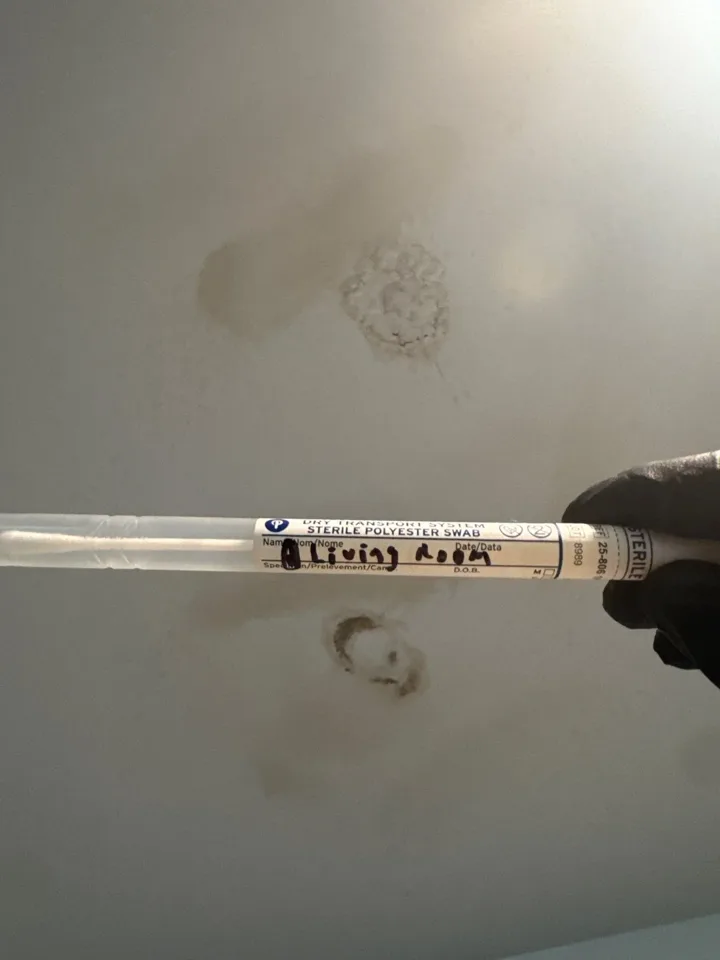
Targeted samples to identify what's growing where.
Laboratory analysis
Confirm the laboratory, analytical methods and reporting included in the scope.
Post-remediation clearance
Review against the agreed criteria, with the reviewer and scope confirmed beforehand.
Real-estate & pre-purchase
Discuss inspection limits and any concerns relevant to the property.
Agree on the question, scope and reporting.
On-site inspection
The assessing professional reviews visible conditions, moisture concerns and inspection limits.
Discuss whether further investigation or sampling would be useful.
Take samples
Air and/or surface samples are collected where they'll actually be informative.
Ask why each proposed sample is useful.
Lab analysis
Confirm the laboratory and the analysis included before booking.
Laboratory analysis and professional independence are separate questions.
Clear report
You get plain-language findings, what was found, where, and what it means.
No jargon, no fear-mongering.
Review next steps
Review findings, limitations and any recommended next steps with the assessing professional.
A sampling result does not determine an individual health risk.
Assessment and remediation have different roles.
Confirm who will assess the property, who would remediate it and who will review any work. Professional roles and the proposed scope should be clear before booking.
See mold remediationUnderstand what inspection and sampling can establish.
Mold inspection should begin with the question that needs answering. Visible conditions, moisture concerns and access help determine whether further investigation is useful. A stain or a photo alone does not establish the species present or an individual health risk.
Mold testing is not automatically required for every concern. Ask which samples are proposed, why they are useful and how findings would change the plan. EPA explains that sampling is generally unnecessary when mold is visible; see its mold sampling guidance.
Confirm the assessor, laboratory, remediator and any post-remediation reviewer before booking. A laboratory report describes the samples analyzed and has limitations. Ask how results will be interpreted alongside site conditions, the agreed criteria and any work completed.
Discuss inspection, any sampling and post-remediation review as clearly defined services.
- Mold inspection & assessment
- Air & surface sampling
- Moisture mapping
- Post-remediation clearance
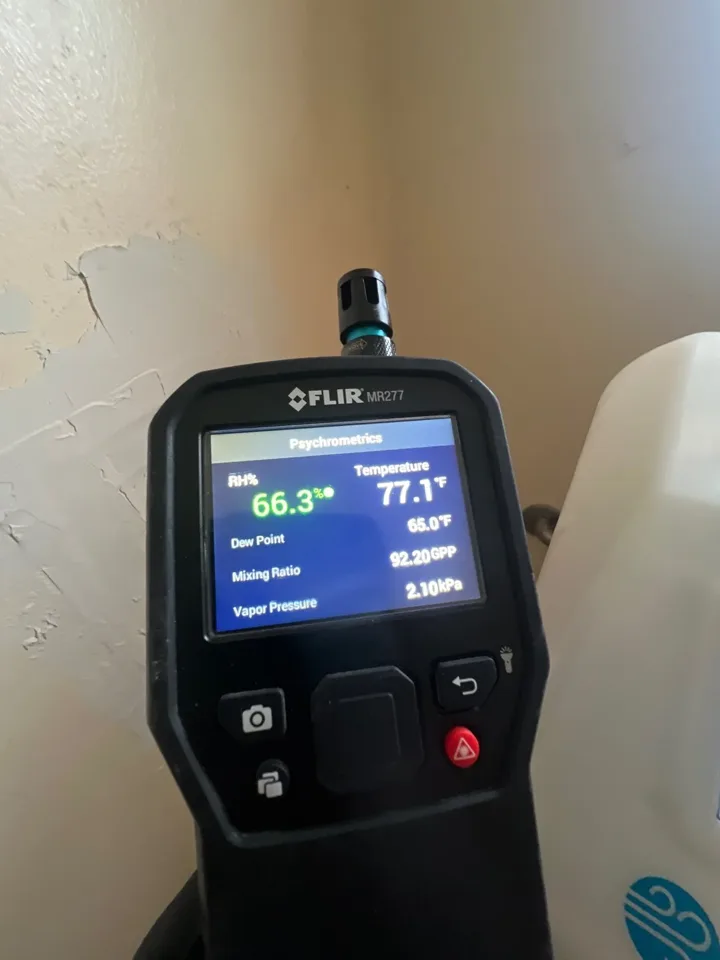
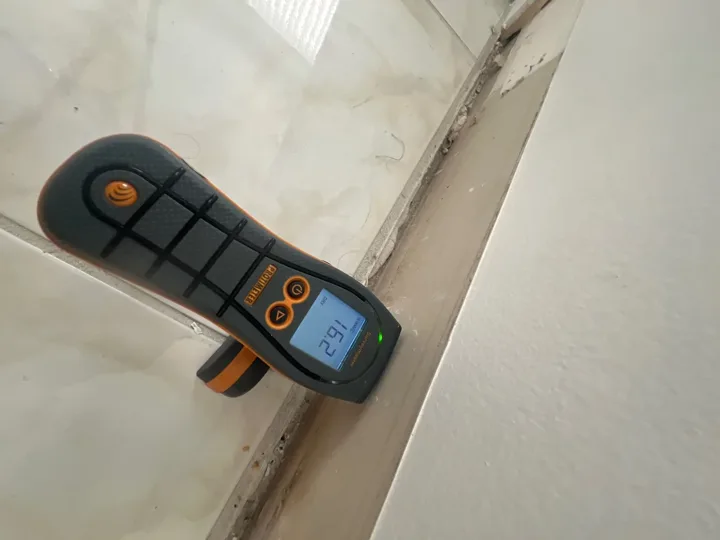
Real conditions, documented.
Explore observed conditions, inspection readings and equipment from documented visits across Florida.
Clear records for your restoration claim.
Ask about photos, readings and a written scope for the restoration work. Your insurer reviews coverage and payment; confirm billing arrangements and your responsibilities before work begins.
How documentation support works- 01 Photos and observed conditions
- 02 Readings relevant to the work
- 03 Proposed scope and estimate
- 04 Records of work completed