Storm & Hurricane Damage Restoration
After a storm, discuss access, affected areas and temporary protection.
Wind, water and debris can affect different parts of a property. Assessment and safe access determine the proposed work, including temporary protection and water-related restoration where appropriate.
Every way a storm gets into your home.
Discuss each affected area and confirm the work included in the scope.
Roof damage & tarping
Discuss temporary roof protection, availability and safe access.
Water intrusion & flooding
Extraction and drying of storm water that breached the envelope.
Wind & debris damage
Assess affected areas and identify any specialist repair work.
Fallen-tree impact
Tree work and structural repairs may require separate specialists.
Storm-surge & coastal flooding
Discuss contamination concerns and the treatment proposed for affected materials.
Power-loss humidity
Discuss moisture and humidity concerns after a power loss.
Secure first, then restore.
Emergency tarp & board-up
Temporary protection can be discussed once availability, access and conditions are confirmed.
Confirm the temporary measures included in the proposed scope.
Water extraction
We remove storm water before it wicks deeper into the structure.
Speed limits the damage and the mold risk.
Dry & dehumidify
Drying equipment and progress checks address the moisture identified in the assessment.
Progress checks and equipment adjustments follow the agreed drying plan.
Debris & structural
Discuss debris and affected areas, including any specialist repairs required.
Ask what restoration documentation can be provided for your insurer.
Review the work
Review the completed scope, records and any further repairs needed.
Confirm responsibilities for restoration and any other trades involved.
A storm is a water emergency in disguise.
The wind makes the headlines, but it's the water that gets in, through the roof, windows and surge, that drives most of the loss. We treat the water as the priority it is.
See water damage restorationAssess the damage and define the restoration scope.
Storm and hurricane damage restoration starts with confirming access and assessing the property. Temporary protection, water extraction and drying may be needed, depending on the damage and conditions. Availability must be discussed for each site.
Hurricane damage restoration may involve several affected areas at once. Document visible conditions where available and explain any restrictions on access. The assessment and agreed scope should distinguish restoration from specialist repair work.
Wind damage, roof damage and debris may require separate trades or specialists. Ask who will perform temporary protection, debris work and permanent repairs, and what is included in the proposed work.
When seeking storm damage restoration, discuss the property location, current conditions, access and priorities. Confirm availability, the proposed scope, fees and documentation before relying on a response or repair schedule.
Discuss temporary protection, water intrusion and the agreed restoration scope.
- Emergency tarping & board-up
- Water intrusion & extraction
- Wind and roof damage assessment
- Storm debris removal
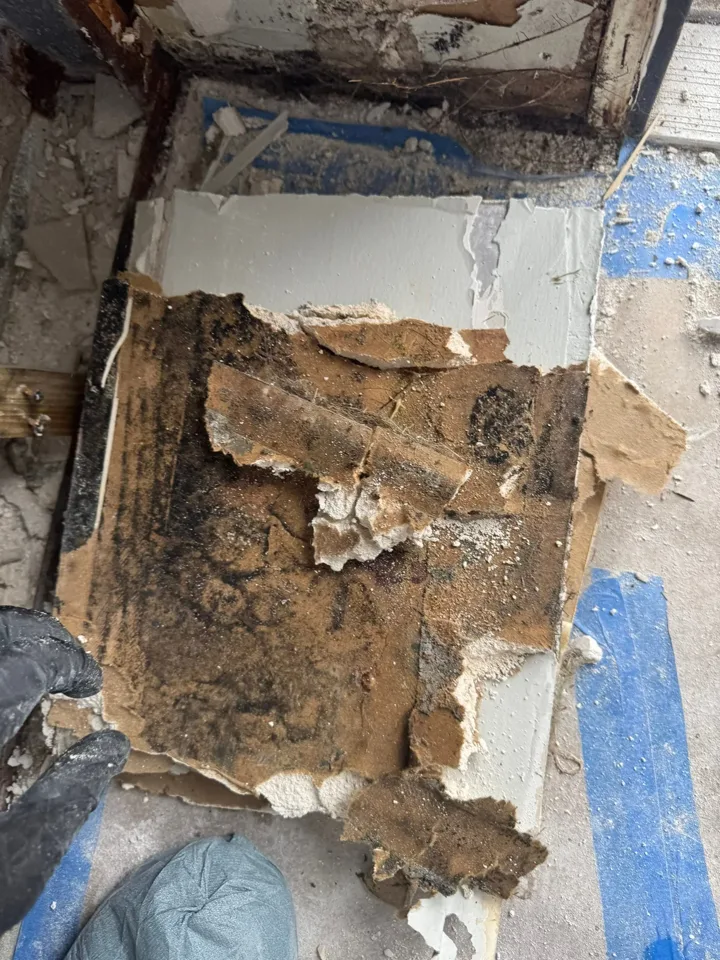
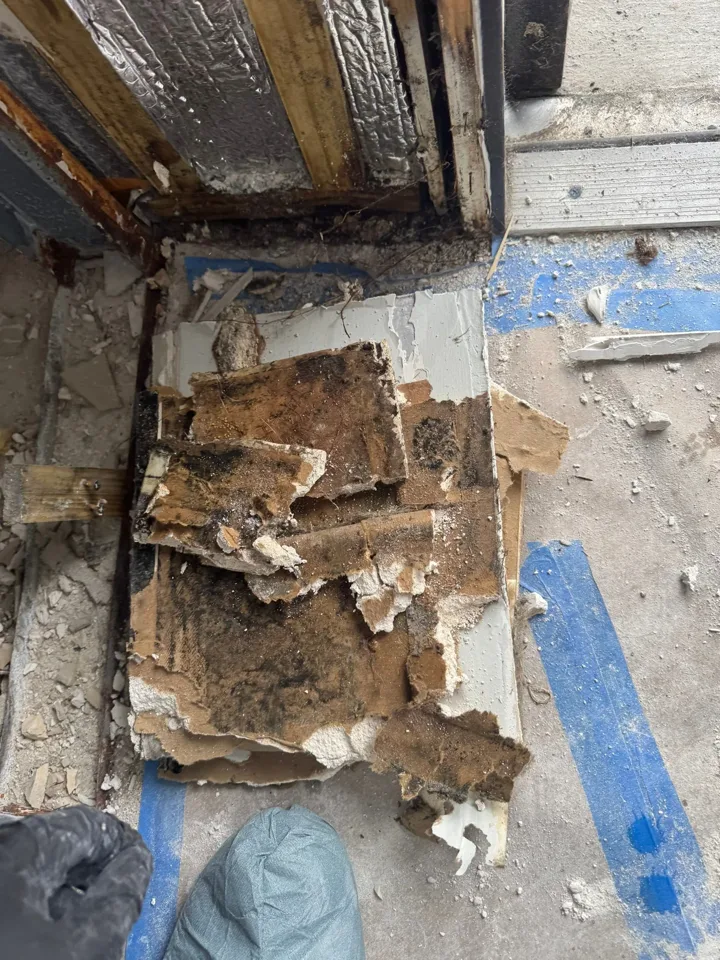
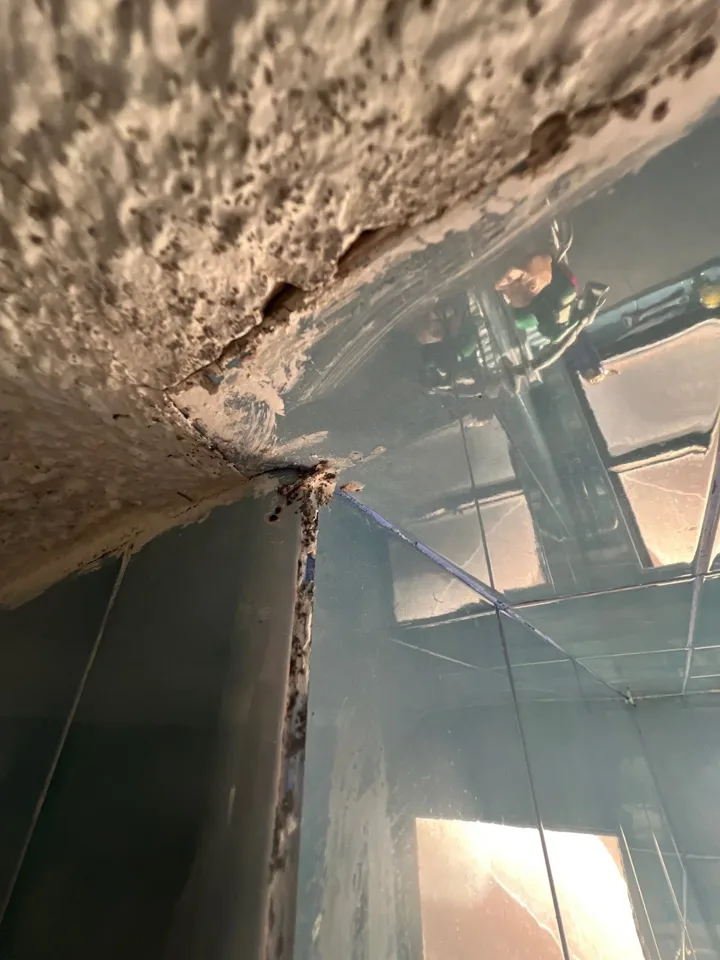
Real conditions, documented.
Explore observed conditions, inspection readings and equipment from documented visits across Florida.
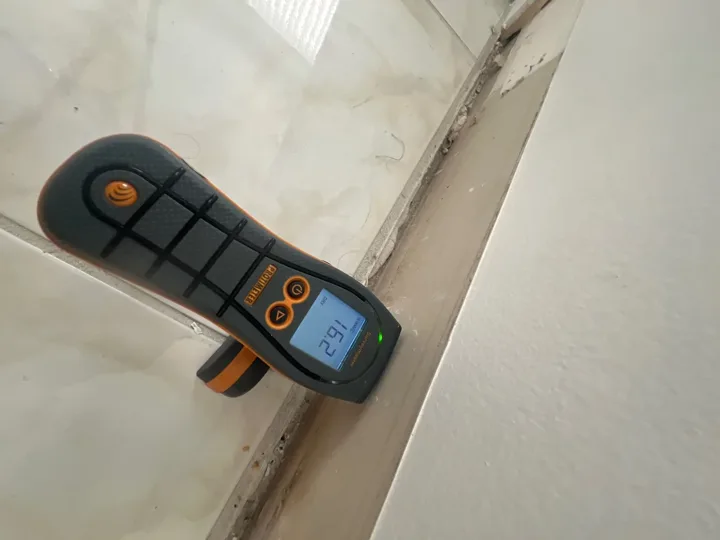
Clear records for your restoration claim.
Ask about photos, readings and a written scope for the restoration work. Your insurer reviews coverage and payment; confirm billing arrangements and your responsibilities before work begins.
How documentation support works- 01 Photos and observed conditions
- 02 Readings relevant to the work
- 03 Proposed scope and estimate
- 04 Records of work completed
Storm & Hurricane Damage, answered.
Can you attend during a hurricane?
Can you tarp a roof the same day?
Will insurance cover the work?
Does drying guarantee that mold will not develop?
Do you handle structural and tree damage?
Storm & Hurricane Damage across South Florida.
Keep exploring
Storm recovery in Deerfield Beach
Understand the distinction between temporary protection, interior drying and permanent repairs when describing your loss.