Mold Remediation in South Florida
Visible growth or a musty smell? Discuss the conditions and the next step.
Discuss suspected growth, moisture and affected materials. Assessment, remediation and any review should have a defined scope and clear professional roles.
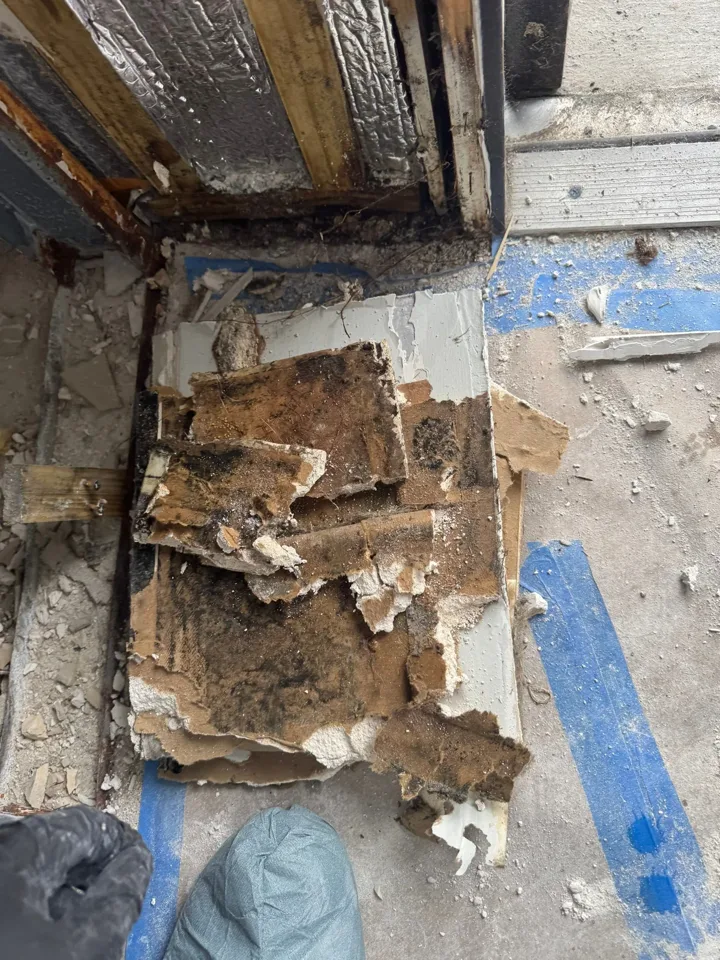
Define the affected areas and the remediation scope.
The proposed methods and professional roles depend on the property and assessed conditions.
Visible or suspected growth
Appearance alone does not establish the species or the work required.
Bathroom & shower mold
Recurring tile, grout and drywall mold from chronic moisture.
Attic & roof-leak mold
Growth on sheathing and insulation after slow roof leaks.
HVAC & air-handler mold
Discuss HVAC concerns and any specialist assessment or cleaning required.
Crawlspace & wall cavities
Discuss inaccessible areas, inspection limits and any further investigation proposed.
Post-water-damage mold
The mold that follows an untreated leak or flood, weeks later.
Agree on methods, responsibilities and review criteria.
Review the assessment
Confirm who will assess the property and define the remediation scope.
Ask what was observed and what remains uncertain.
Containment
Containment methods should be defined in the agreed remediation plan.
Discuss site access and how the work area will be managed.
HEPA & negative air
Air scrubbers and negative-air machines capture airborne spores.
The equipment and setup depend on the agreed remediation plan.
Remove & treat
Affected materials are removed and surfaces treated to industry standard.
Confirm who will address the underlying moisture source and any required repairs.
Clear & verify
Review completed work against the agreed criteria.
Confirm whether follow-up assessment is required and who will perform it.
Moisture matters. Plan for the source.
Cleanup and moisture control need a coordinated plan. Identify the moisture concerns and who will handle any repairs needed.
Explore water damage assessmentMold remediation with a clear scope and moisture plan.
Mold remediation and moisture control need to be considered together. An assessment helps identify affected materials and the work proposed. Any underlying leak or building repair should have a clearly assigned responsibility.
Containment, filtration, removal and cleaning methods depend on the assessed conditions and the agreed remediation scope. Discuss how the work area will be managed and which materials require treatment or removal. The proposal should explain the methods, limitations and follow-up for your property.
Mold assessment, remediation and post-remediation review have distinct roles. Confirm who will provide each service and the relevant credentials before work begins. For Florida background, see the DBPR mold-related services guidance.
A defined cleanup scope, moisture concerns and clear follow-up responsibilities.
- Mold inspection & assessment
- Black mold removal
- Moisture source investigation
- Containment & safe remediation
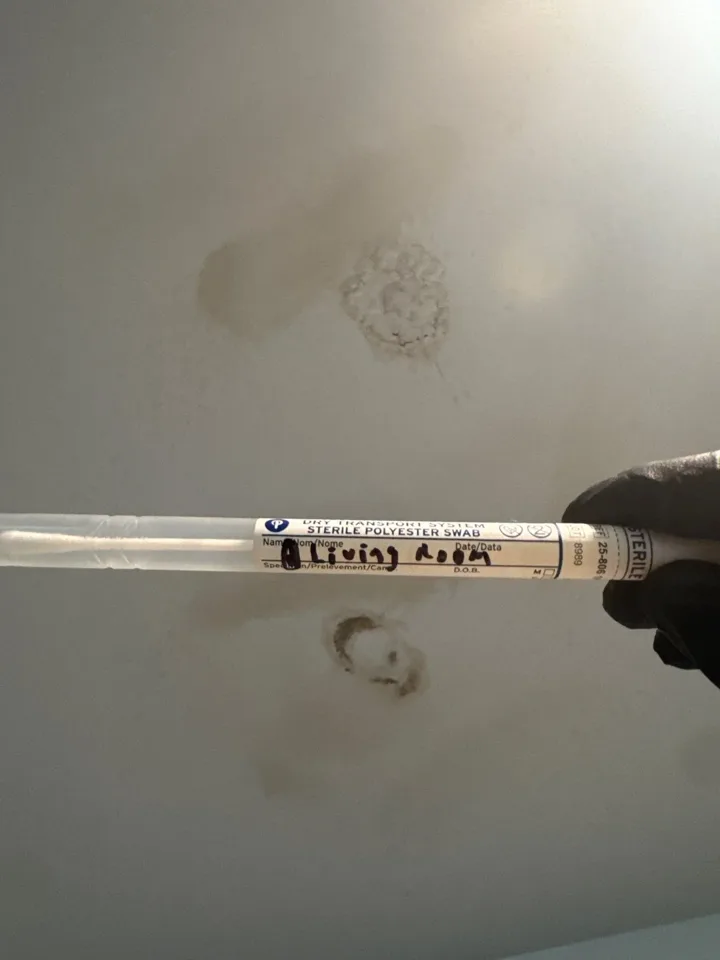
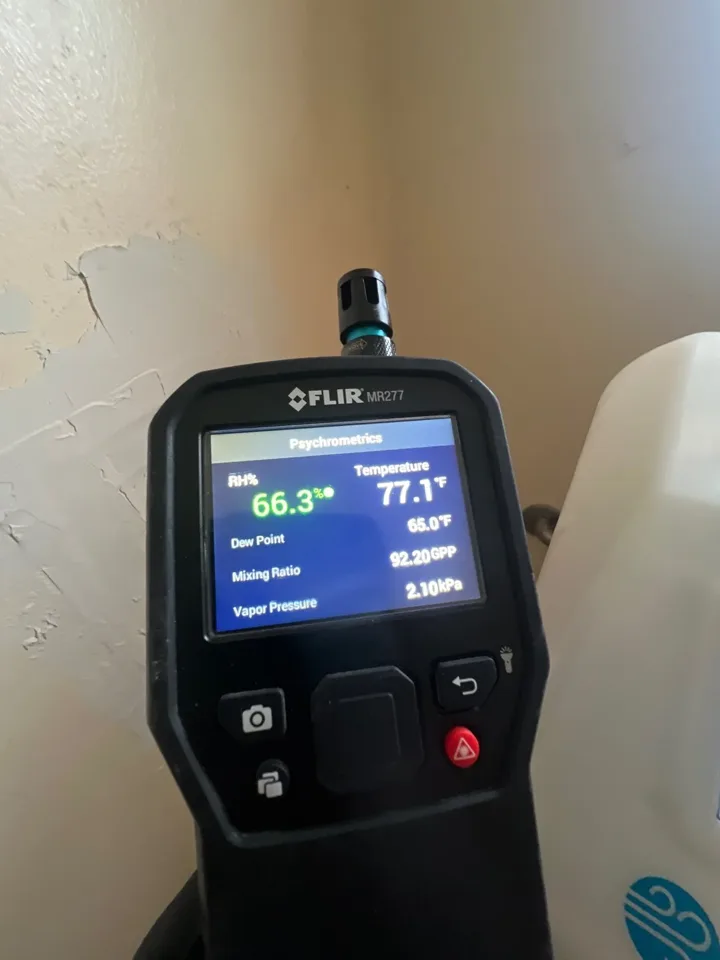
Real conditions, documented.
Explore observed conditions, inspection readings and equipment from documented visits across Florida.
Clear records for your restoration claim.
Ask about photos, readings and a written scope for the restoration work. Your insurer reviews coverage and payment; confirm billing arrangements and your responsibilities before work begins.
How documentation support works- 01 Photos and observed conditions
- 02 Readings relevant to the work
- 03 Proposed scope and estimate
- 04 Records of work completed
Mold Remediation, answered.
Is the color of mold enough to identify its risk?
Is testing always needed before remediation?
Can you guarantee mold will not return?
Will insurance cover the work?
How long does remediation take?
Mold Remediation across South Florida.
Keep exploring
Mold concerns after water damage in Hobe Sound
Discuss the moisture history, affected materials and the difference between inspection, sampling and remediation.