Fire & Smoke Damage Restoration
After a fire, discuss access, affected materials and the next step.
A fire can affect surfaces, contents and materials exposed to smoke or firefighting water. An assessment defines the work proposed and any specialist repairs needed.
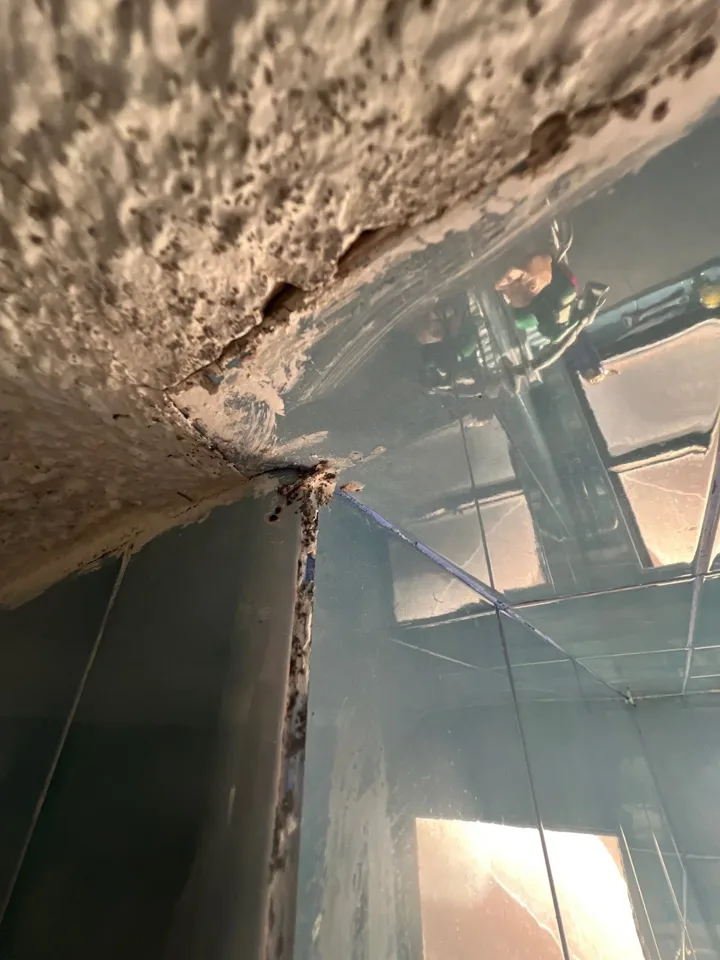
Fire, smoke, soot, and the water that follows.
The assessment considers the types of damage observed and the work required for each area.
Smoke & soot residue
Discuss cleaning appropriate to the residue and affected surfaces.
Smoke odor removal
Odor treatment depends on affected materials and the source identified.
Contents & textiles
Assess items for cleaning, specialist recovery or replacement.
Structural char & cleanup
Removal of charred materials and debris, safely handled.
Water from firefighting
The water used to put it out causes its own damage, we dry it.
Electronics & documents
Discuss whether specialist recovery is appropriate for the affected items.
Assess the damage and agree the work.
Assess & secure
We discuss accessible areas and observed damage; structural safety may require a qualified specialist.
Safety first, then a clear plan and scope.
Board-up & tarp
Temporary protection may form part of the scope once access and conditions are confirmed.
Ask what temporary measures are included and their limitations.
Soot & smoke removal
We clean soot from surfaces and contents before acidic residue sets in.
Recovery depends on material condition and the extent of damage.
Odor neutralization
The proposed odor treatment depends on the assessment and affected materials.
Discuss the treatment plan and its limitations before work begins.
Restore & dry out
The scope can include drying water-affected materials and identifying further repair needs.
Confirm who is responsible for restoration and any specialist repairs.
The fire's out. The water isn't done.
Water used during firefighting can affect materials beyond the visibly burned area. The assessment should consider moisture and any drying work needed.
See water damage restorationFire damage restoration that addresses the fire and everything it leaves behind.
Fire damage restoration can involve heat-affected materials, smoke residue, contents and water used during firefighting. The assessment determines which areas can be inspected and what work is appropriate once access is permitted.
Smoke and soot cleanup depends on the surfaces and materials involved. Cleaning, contents treatment and odor work should be proposed for the conditions observed. Some items may require specialist evaluation or may not be recoverable.
Where firefighting water has affected materials, the proposed scope can include extraction, drying and progress checks. Discuss the sequence, documentation and any specialist structural, electrical or other repairs separately. A photo or initial call cannot establish the full repair scope.
Discuss fire, smoke, soot and water-affected materials as part of the assessment.
- Fire damage restoration & repair
- Smoke & soot cleanup
- Odor neutralization
- Drying and repair scope
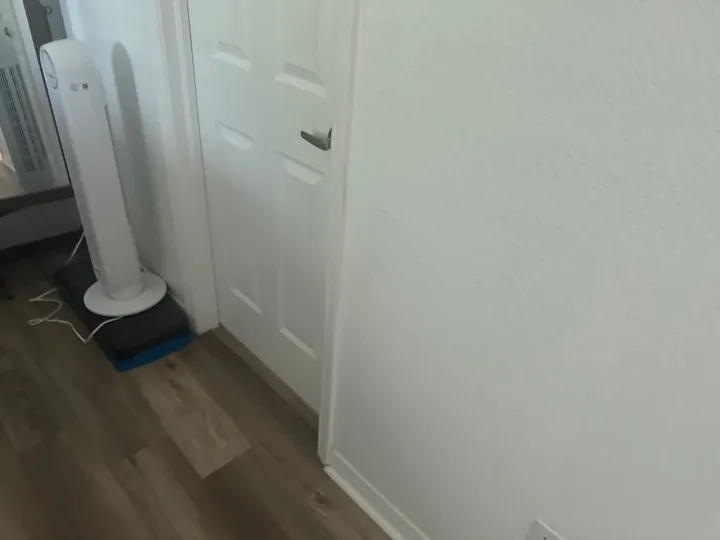
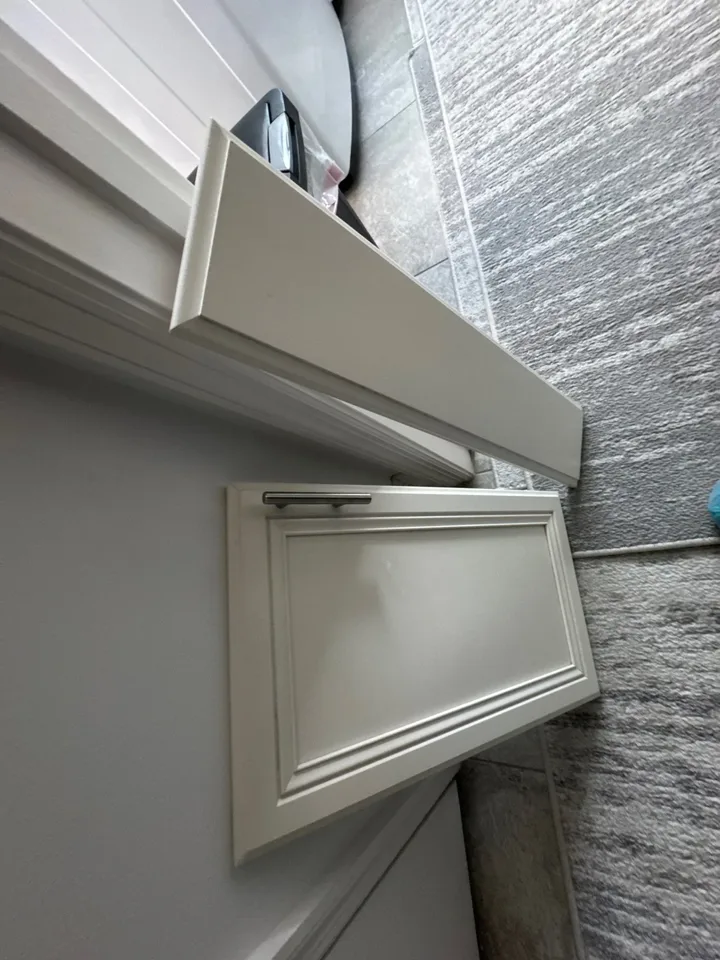
Real conditions, documented.
Explore observed conditions, inspection readings and equipment from documented visits across Florida.
Clear records for your restoration claim.
Ask about photos, readings and a written scope for the restoration work. Your insurer reviews coverage and payment; confirm billing arrangements and your responsibilities before work begins.
How documentation support works- 01 Photos and observed conditions
- 02 Readings relevant to the work
- 03 Proposed scope and estimate
- 04 Records of work completed
Fire & Smoke Damage, answered.
Can smoke odors and affected belongings be recovered?
What about water used during firefighting?
Will insurance cover the work?
How long does fire restoration take?
Fire & Smoke Damage across South Florida.
Keep exploring
Fire and smoke help in Bonita Springs
Review soot cleanup, affected contents, odor concerns and water from firefighting before requesting an assessment.